Solutions

AI Agents

Complex multi-step tasks can go to an agent instead of a department.

Systems that independently handle complex, multi-step tasks.

What it is

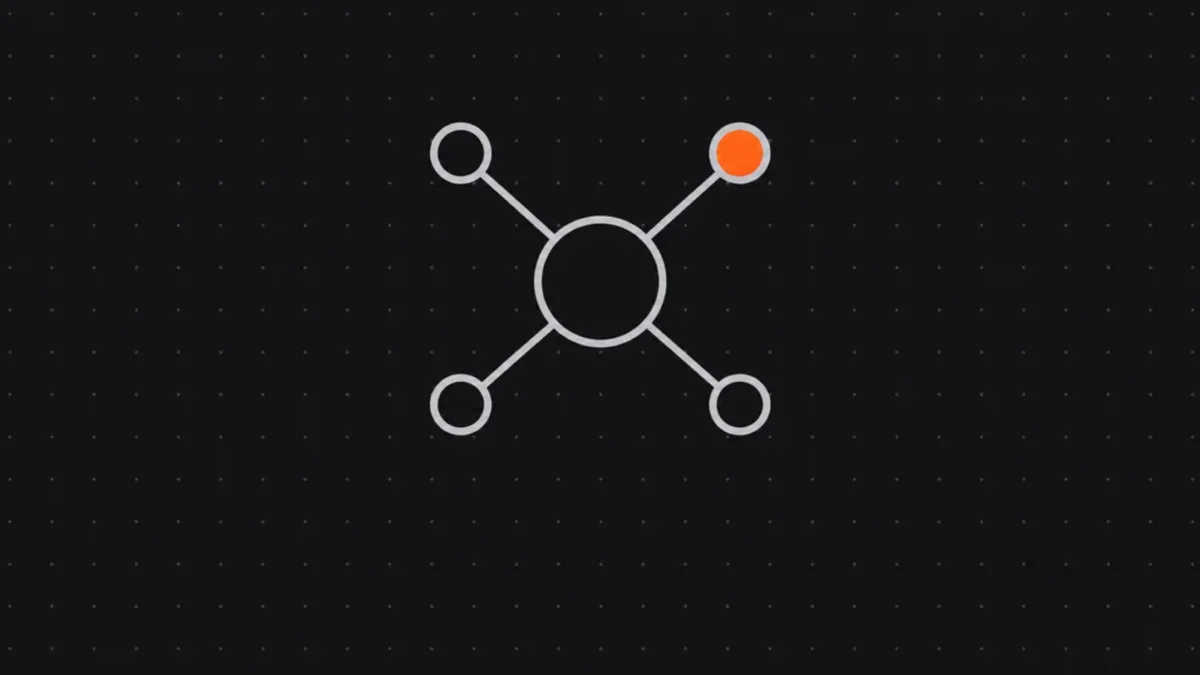
An AI agent is a system that doesn’t just answer a request — it carries out a multi-step task on its own: it finds information, cross-checks it, uses tools such as APIs, databases, and files, and brings the work to a finished result. Several agents can be combined into a multi-agent system, where each one is responsible for its own part of the process.

The key principle of our AI agent development is a human in the decision loop. The agent takes on the routine work and gathers everything needed, while decisions that actually matter are made by a person at checkpoints. Where exactly those checkpoints go is something we define together with you.

Who it fits

An AI agent for business is a good fit wherever there is a repeatable, multi-step process that currently runs on manual work: B2B sales and cold prospecting, market research, gathering and cross-checking information from different sources. The clearer the picture of what a finished result should look like, the better the agent will handle it.

B2B and cold outreachSales teamsResearch and information gatheringHuman-in-the-loop processes

What we do

What it solves

Finding and warming up prospects

The agent collects companies from open sources that match your ideal customer profile, runs multi-channel warm-up via email and messengers, and hands an already warm contact to your sales team. This lowers acquisition cost and takes load off your managers.

Research and information gathering

The agent works through the sources, extracts what matters, and puts it into a structured result — a table or a short brief. People read the finished output instead of searching through websites and documents.

AI agent workflows across systems

An agentic workflow is a sequence of steps where the agent moves from one to the next on its own: it reads a request, finds data in a database, updates a record, prepares a document. It works with your APIs, databases, and files.

Decisions with a human at the checkpoints

The agent prepares options and drafts; a person approves or corrects them. This way you can automate even a process that can’t be handed over to a machine entirely.

A multi-step process that used to take a day of manual work now runs on its own — from gathering information to a finished result, with a human at the checkpoints.

How the pilot works

01

Discovery · 60–90 minutes

We break the process down step by step: what goes in, what should come out, where time is being spent, and where a human decision is needed. You get a list of scenarios and a payback estimate.

02

Pilot · 3–4 weeks

We build the agent on one process and a subset of your data, and check whether it delivers results of the required quality — before any full rollout.

03

Rollout · based on pilot results

We connect the agent to your working systems, set up checkpoints for people, configure quality monitoring, and keep refining it.

What data we need

Integrations

The agent works through the tools you give it access to: your services’ APIs, databases, files, the CRM, and — for warm-up — email and messengers. We define the set of access rights for the specific process during Discovery, so the agent sees what the task requires.

Agents combine well with other practices: a conversational agent takes the customer’s request, and an autonomous agent carries it out in your systems. If an agent needs up-to-date data from several sources, the single source from our Data Foundation practice provides it.

Related articles

Ready to calculate the payback for your case?

Discuss your task